Explore guided Qigong and mindful cultivation practices you can enjoy at your own pace, wherever you are.
Simple enough for beginners. Deep enough for daily practice.
What is Qigong?
Qigong (pronounced chee-gong) is a centuries-old Chinese practice that combines gentle movement, mindful breathing, and focused awareness to cultivate vitality, balance, and well-being.
Often described as “energy cultivation,” Qigong helps harmonize body, breath, and mind through simple exercises that can be adapted to nearly any age or level of experience. Regular practice may support relaxation, improve body awareness, reduce stress, and encourage a greater sense of connection and ease in daily life.
Whether practiced for health, meditation, personal growth, or simply as a way to slow down and reconnect, Qigong offers a gentle path toward greater balance and vitality.
How Often Should I Practice?
Consistency is more important than duration. Even a few minutes of mindful practice each day can be beneficial.
If you’re just beginning, consider practicing for 10–15 minutes several times a week. Some people enjoy a brief daily routine, while others prefer longer sessions a few times each week.
Rather than focusing on doing more, focus on showing up regularly. A short, attentive practice is often more valuable than an occasional lengthy session.
Start where you are, practice what feels comfortable, and allow your routine to grow naturally.
A Simple 15–20 Minute Routine
For those who prefer a place to start:
Recommended sequence for beginners
If you’re new to Qigong, it’s often helpful to begin with simple foundational practices before exploring longer forms and specialized exercises. The sequence below offers a gradual and balanced approach.
- Foundation:
- Three Mindful Alignments (2–3 minutes)
- Breath Practice (3–5 minutes)
- Movement:
- Eight Pieces of Brocade or (10–15 minutes)
- or Seven-Cycle Body Awakening
- Closing:
- Quiet Standing or Reflection (1–2 minutes)
Tips for Getting Started
Beginning a new practice doesn’t have to be complicated. The most important step is simply to begin with curiosity and patience.
Start small.
A few minutes of practice is enough. Consistency is more valuable than intensity, especially in the beginning.
Focus on the fundamentals.
Before learning longer forms or sequences, spend time developing good posture, relaxed breathing, and mindful awareness. The Three Mindful Alignments and Breath Practices are excellent places to start.
Move gently.
Qigong is not about forcing, stretching, or achieving perfect positions. Allow movements to be comfortable, natural, and relaxed.
Breathe naturally.
Avoid trying to control or deepen the breath too quickly. As the body relaxes, the breath will naturally become slower and more comfortable.
Create a simple routine.
Choose one or two practices and explore them regularly before adding more. A simple routine is easier to sustain and often leads to greater benefits over time.
Enjoy the process.
There is no finish line. Each practice is an opportunity to reconnect with yourself, restore balance, and cultivate greater ease in daily life.
Begin where you are, practice with kindness, and allow the benefits to unfold naturally over time.
Foundational Practices
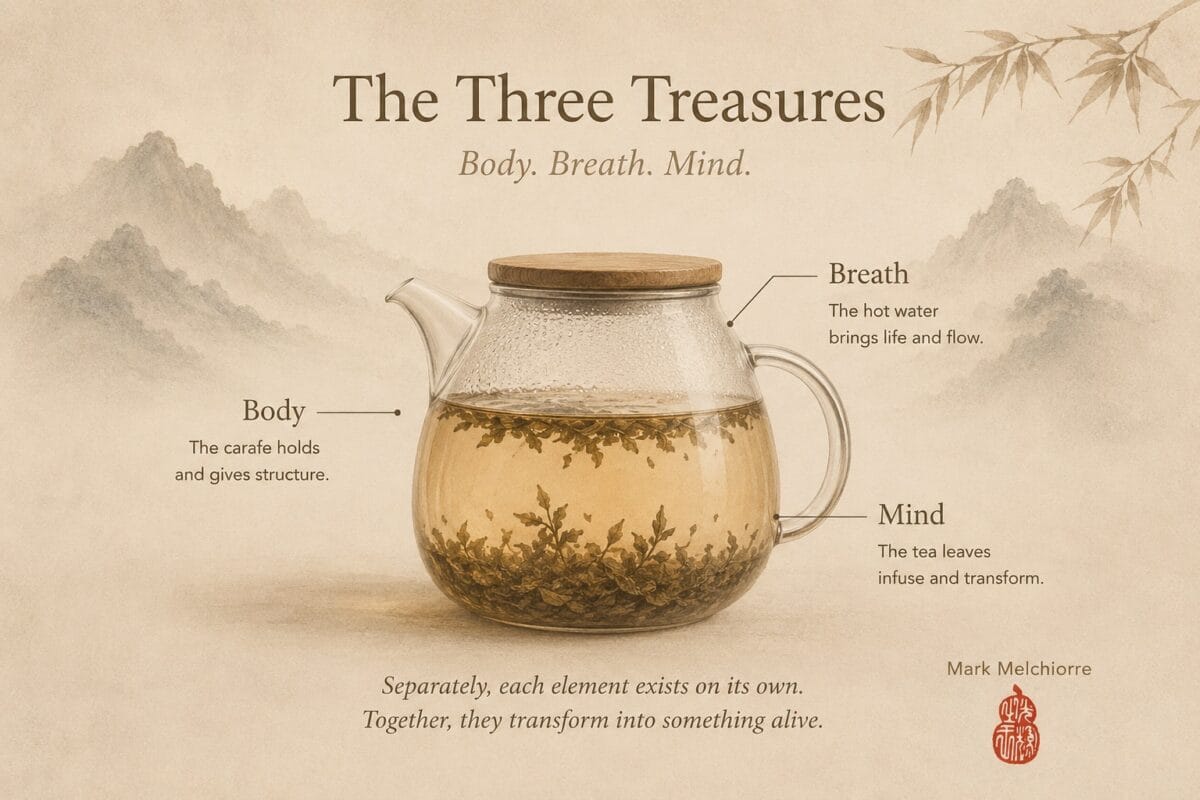
The Three Mindful Alignments
The Three Mindful Alignments in Taoist tradition harmonize the “Three Treasures”, the body, breath, and mind, unifying them into one integrated experience. This practice, rooted in Qigong and Tai Chi, cultivates the three treasures and awakens the healer within.
Breath is the Key
Breath influences physical and mental well-being, mirroring the nervous system, posture, and mind. In Tai Chi Qigong, breath, movement, and awareness work together to regulate the body.
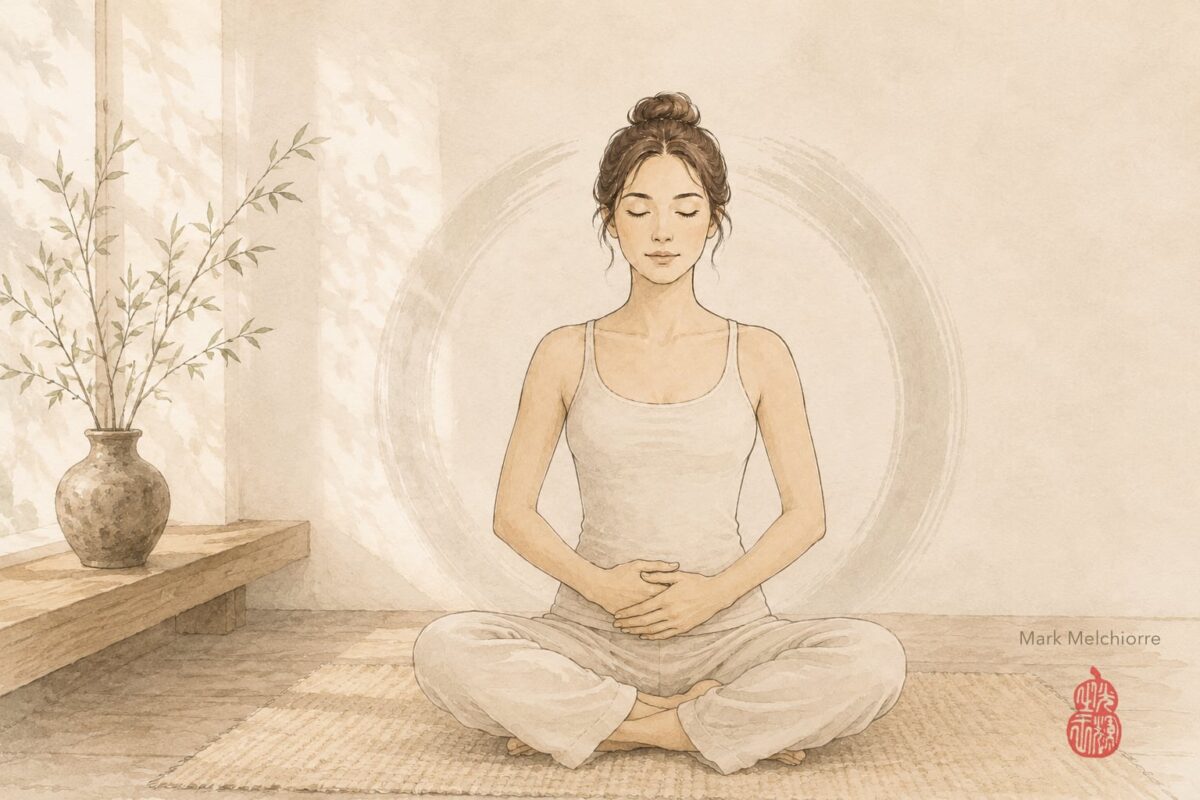
Movement Practices
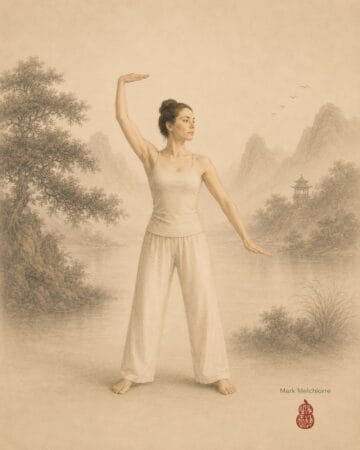
Eight Pieces of Brocade
The Eight Pieces of Brocade, or Baduanjin, is an ancient qigong system combining breath, posture, and movement to cultivate balance and calm. Originating nearly a thousand years ago, it remains a popular mindful exercise and moving meditation.
Seven-Cycle Body Awakening
Seven-Cycle Body Awakening is a flowing qigong sequence that combines mindful movement, breath awareness, and gentle stretching to awaken the body, release stagnation, and improve circulation.
Healing & Internal Cultivation
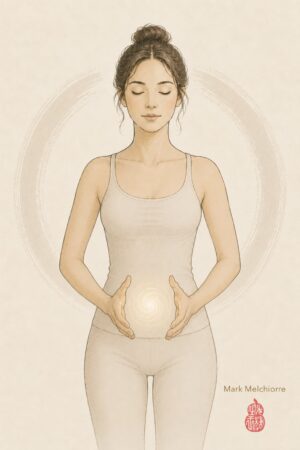
Energizing the Organs
Energizing the Organs Qigong is a gentle practice that combines relaxed movement, breath awareness, and focused intention to support the body’s natural energy flow and calm the mind.
A Healing Affirmation
Healing affirmations, when combined with posture, movement, and breath, can guide attention and promote balance between body and mind. They influence thought patterns, potentially reducing stress and reinforcing healthier mental states.
Questions about where to begin?
If you’d like guidance in choosing a practice that matches your goals and experience level, feel free to get in touch.
Continue Exploring
Explore additional practices and resources that support balance, mindfulness, and daily well-being.
Nine Phases Qigong
A qigong practice that guides you step-by-step—from first sensing qi in the body to refining and integrating it at deeper levels of mind and spirit.
Breath Medicine
An introduction to the transformative role of breath in cultivating relaxation, awareness, resilience, and energetic harmony.
Yin-Yang Balancing Qigong
A calming practice that harmonizes opposing energies within the body while encouraging grounding, fluidity, and centered awareness.
Continue Exploring
Explore additional practices and resources for balance, mindfulness, and daily well-being.
Nine Phases Qigong
A step-by-step qigong practice for sensing, refining, and integrating qi.
Breath Medicine
Explore how breath supports relaxation, awareness, and resilience.
Yin-Yang Balancing Qigong
A calming practice that cultivates grounding, fluidity, and inner balance.
Practices
Explore practices for balance, awareness, and daily well-being.
Recommended Resources
Books, videos, and learning materials for further study and inspiration.